The Fedora Project
The first time I replaced Windows with Linux on a standard PC was about 25 years ago. Back then, I installed the French distro Mandrake Linux on an old PC I had lying around. Since that went quite well, I installed Fedora on my first personal laptop, an IBM (pre-Lenovo) ThinkPad something-or-other, a few years later.
How to choose a distro?
The fact that you have to choose a distro, and that there are loads to choose from, is said to be one of the biggest hurdles for many people who want to try out Linux. I completely understand the issue and have tested quite a few distros myself.
Overall, I've probably had Ubuntu on my machines the most, but Fedora comes in a strong second and have always been the distro I've liked the best from a user perspective.
Fedora is a free and open-source Linux distribution developed by the Fedora Project.
Its history begins in 2003, when it was created as a continuation and merger of the Red Hat Linux (RHL) project and the community-driven fedora.us project. This merger formed the modern Fedora Project, which is sponsored primarily by Red Hat but driven largely by a global community of contributors.
The project is known for its rapid, six-month release cycle, typically offering new versions each spring and fall. Most development for Fedora is done in a globally distributed manner, leveraging both Red Hat's worldwide offices and a vast volunteer community of over 2000 contributors.
Fedora is also, by the way, the distro Linus Torvalds himself prefers to use on his personal computers.
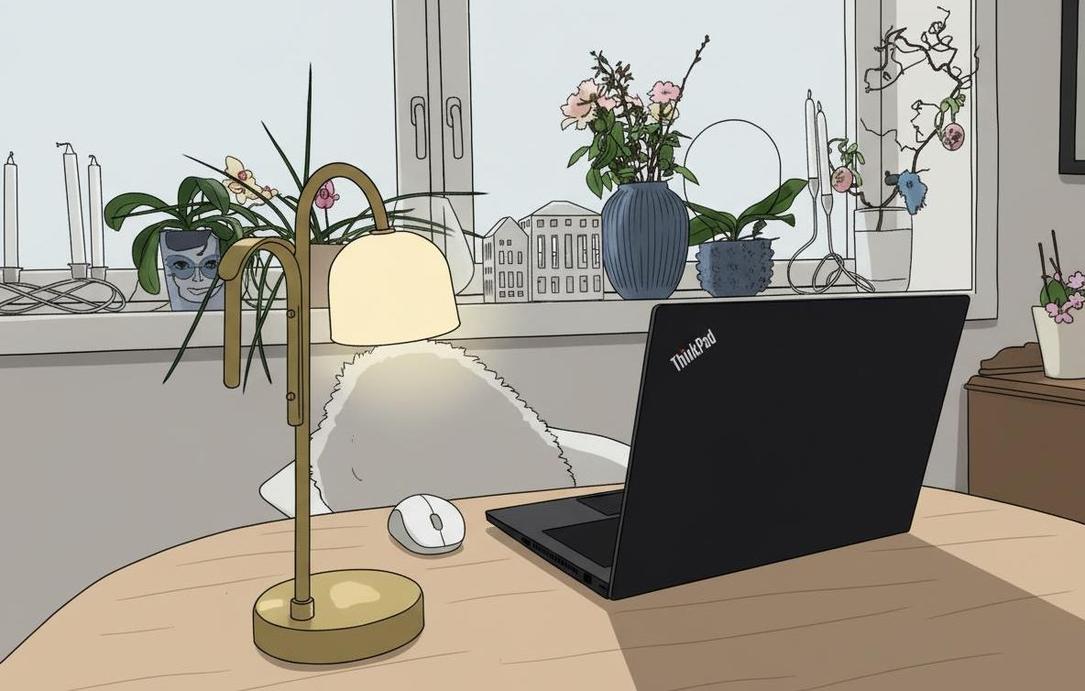
After 20+ years, I still have a Thinkpad laptop with Fedora, a very nice second hand T490 that I got very cheap. It's running Fedora Workstation 43. The installation was ridicilously simple compared to Windows or anything really. Everything worked “out of the box”, even the finger print scanner. Updating the firmware was also a much easier experience than on Windows (the previous owner had not upgraded anything it seems).
On my gaming PC on the other hand, I've always used Windows, but this year I decided it was the year of Linux!
First I wanted to test a gaming-focused distro, so I started with Bazzite (based on Fedora Silverblue). It didn't quite stick, the Silverblue is a good thought, but I like to tinker, so I moved on to Nobara. This distro is based on regular Fedora, but with it's own UI tools that I found rather lacking... Also Gnome didn't handle gaming on dual screen very well (games kept starting on the wrong monitor and/or wrong resolution).
So I moved on to Pop!_OS as people claim it's the most optimized distro for Nvidia GPU's. I call bullshit on that now, I struggled so much with my dual screen setup and games. Loved COSMIC Desktop in general, but for my usage it was not working.
Then I tried to install other upcoming gaming-distros. First CachyOS, the installer just crashed... then PikaOS, didn't handle dual screens at all, just mirrored them.
At this point I gave up on these small gaming-distros and simply installed Fedora KDE Plasma Desktop (43), enabled third party repositories and installed proprietary Nvidia drivers and Steam (with like 4-5 dnf quite simple commands), and now I'm in love!
I still prefer the Gnome user experience over KDE, but the way Fedora with KDE Plasma handles my dualscreen setup and games is just freakin' awesome!
It took about 15 minutes from I booted Fedora for the first time until I was killing demons in Doom Eternal at 120FPS without any issues what so ever. I've spent the last few days installing and testing a bunch of games, tuning and customizing the distro to my liking and I just love it <3
Here is my advice: Forget the gaming-distros, just use the distro with your favorite package-manager and take the 10-15 minutes it takes to tune it. If you don't have a favorite package-manager, just use Fedora KDE Plasma Desktop!